
The Jesse Pulkkinen Development Case Study
Context, confidence, and the long game of prospect development

Follow me on Twitter/X @KennyKaminsky
One thing I’ll never understand is how quickly fans are willing to label a prospect a “bust.”
At just 20 years old, Jesse Pulkkinen left JYP of the Finnish Liiga last season to join the Bridgeport Islanders. In 10 games, he recorded one assist. He opened this year with Bridgeport, had a brief two-game stint in the ECHL, and was recalled shortly after. When Ethan Bear and Isaiah George returned to the lineup, the Islanders’ coaching staff had to choose between Pulkkinen and Calle Odelius, and they went with Odelius.
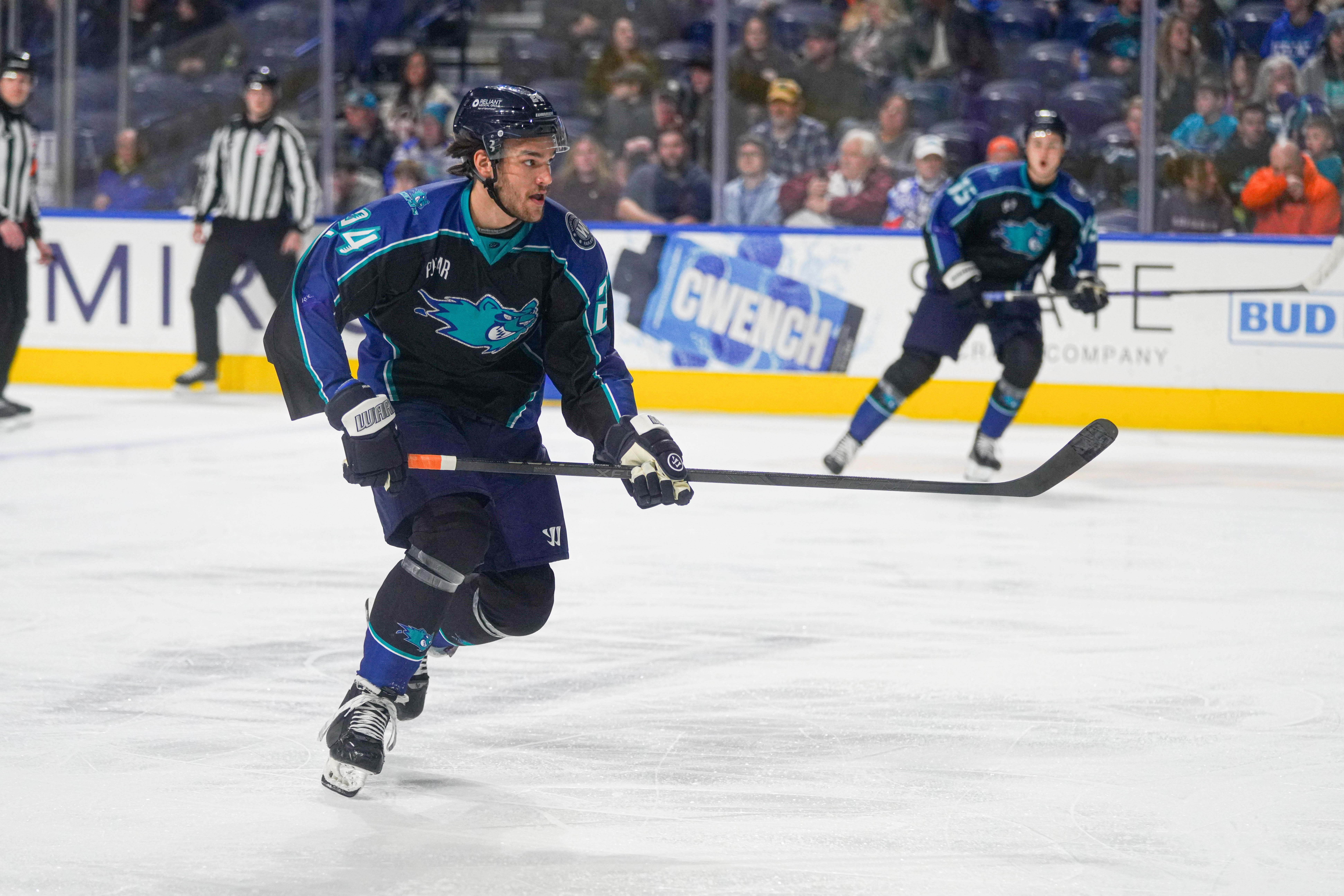
Since being sent back down to Worcester on January 6, Pulkkinen has exploded, posting 4G-4A-8P in eight games. So what changed?
I’m not Jesse Pulkkinen, but the answer seems fairly simple.
Last season, Pulkkinen jumped directly from the U20 SM-sarja (Juniors) to the Finnish Liiga, where he recorded 3G-5A-8P in 38 games. Pulkkinen was always drafted as a long-term project, valued more for his tools and upside than immediate production. He averaged the eighth-most minutes among JYP defensemen, didn’t see any power-play time, and was learning the game against men. With that context, eight points isn’t bad at all.
From there, he left Finland and joined what was statistically the worst team in AHL history. That matters for several reasons. Pulkkinen’s game is built on fluid skating, high-end puck skills, and confidence. His towering frame makes it easy for him to fend off forecheckers, and he rarely second-guesses himself when carrying the puck on breakouts or through the neutral zone. Frankly, it’s impressive how coordinated he is at that size.
Now consider the adjustment: tougher competition, inconsistent ice time, no power-play opportunities, and a smaller ice surface. For a player like Pulkkinen, confidence is everything. And when you’re not playing regularly, how are you supposed to build that confidence?
You can’t.
Defensively, there are still holes in his game, but I’m at least two and a half seasons away from being concerned about his NHL outlook. What has really stood out during his recent surge is how he’s finding the back of the net, specifically, his increased use of that wicked one-timer.
One of the glaring issues during his time in Bridgeport was how often his shots were blocked. With such a long reach, his wrist-shot release is naturally slower, making it easier for defenders to get into shooting lanes. Lately, he’s adjusted by using his edges far more effectively to evade pressure, change shooting angles, and create cleaner looks before releasing the puck.
The decision to send Pulkkinen down is likely to go overlooked, but it may prove pivotal in his development. In the long run, this move could prove to be exactly what he needed. Prospects aren’t made on timelines fans create; they’re made through patience, reps, and confidence. Pulkkinen is finally getting all three.
That said, there is still work to be done. This is far from a victory lap, but rather a reminder that development takes time, and that slapping labels on prospects before they’ve had the chance to grow does more harm than good.
Very well stated